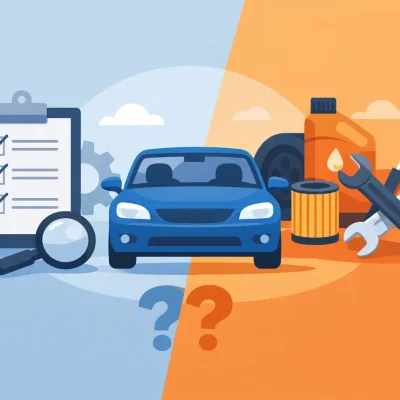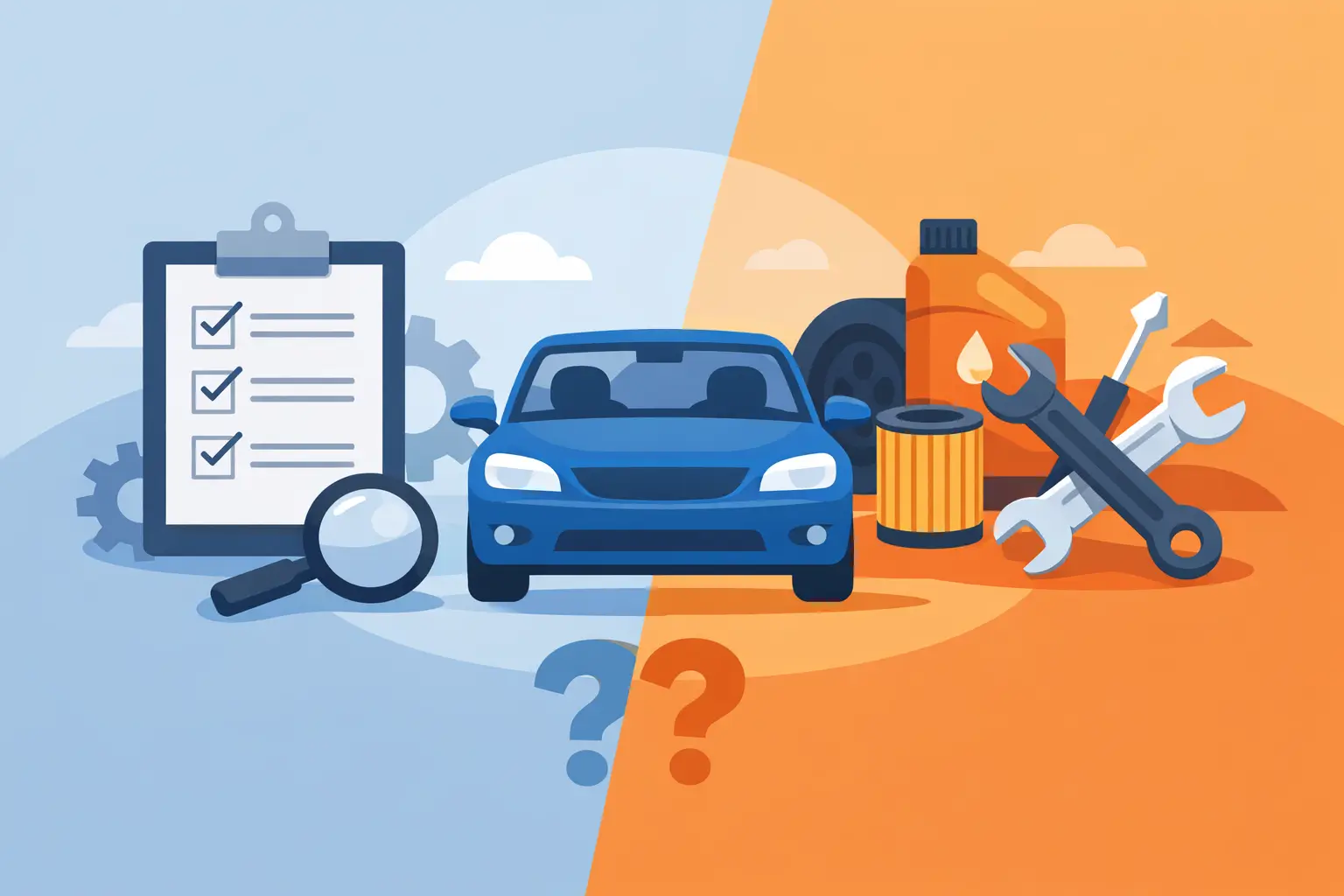
That reminder letter lands, your dashboard has been behaving itself, and the car seems fine – so do you book an MOT or full service? It is one of the most common questions drivers ask, and it matters because the two jobs do very different things. Booking the right one can save time, help you avoid bigger repair bills later, and give you a clearer picture of your car’s condition.
A lot of motorists understandably treat MOTs and servicing as if they are interchangeable. They are not. One is a legal check to make sure your vehicle meets minimum road safety and environmental standards on the day of the test. The other is planned maintenance designed to keep the car running properly and reduce wear over time.
MOT or full service – what is the actual difference?
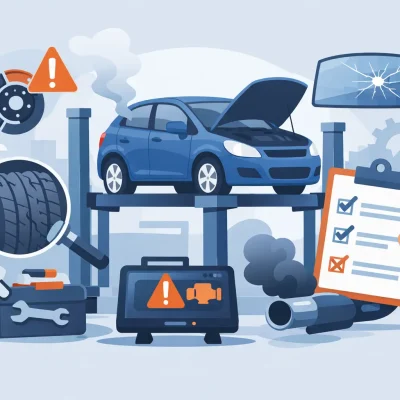
An MOT is a formal annual test required for most vehicles over three years old. It checks key items such as brakes, lights, tyres, steering, suspension, emissions and other safety-related components. If the car fails, the faults need to be put right before it can pass and be driven legally in many cases.
A full service is broader in a different way. It is not about whether the car meets the legal standard for that day. It is about the ongoing health of the vehicle. A full service usually includes inspections, fluid checks, oil and filter changes, and a closer look at parts that wear gradually through normal use. Depending on the vehicle and service schedule, it may also flag up issues that are not yet serious enough to cause an MOT failure but could soon become expensive if ignored.
That is why a car can pass an MOT and still need servicing. It can also be regularly serviced and still fail an MOT if a specific safety item has deteriorated since the last visit.
What an MOT checks
Think of the MOT as a snapshot. It checks whether the vehicle is roadworthy and compliant at the time of testing. It does not replace maintenance, and it does not assess every mechanical item in depth.
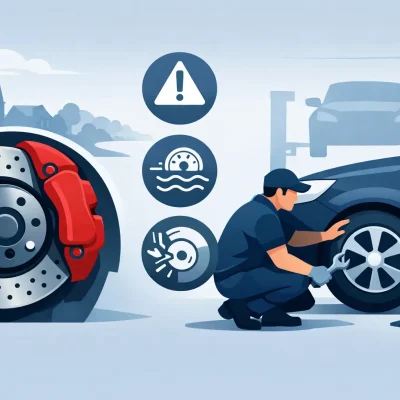
For example, the MOT looks at tyre condition and tread depth, brake performance, working lights, wipers, mirrors and seatbelts. It also checks suspension, steering components, and emissions where applicable. But it will not usually include changing the engine oil, replacing service filters, or following the manufacturer’s service intervals.
That distinction is where confusion often starts. Drivers sometimes assume that because the car has passed its MOT, everything is fine for another year. In reality, it means the car met the minimum legal standard on test day. It does not mean every component is in top condition.
What a full service covers
A full service is more preventative. Its purpose is to keep the vehicle in good working order, improve reliability, and spot wear before it turns into a breakdown or a major repair.
What is included can vary slightly between garages and manufacturers, but a full service often covers engine oil and oil filter replacement, checks of brake components, tyres, steering, suspension, fluid levels, battery condition and other important systems. It may also include replacing air and pollen filters, topping up fluids, and inspecting areas that are not part of a standard MOT routine.
This is especially useful if you do a lot of commuting, school runs, or stop-start driving around town. Those miles add up, even if your annual mileage does not seem particularly high.
When an MOT is enough
There are times when an MOT on its own is reasonable. If your vehicle has been serviced recently, the car is running well, and there are no warning signs such as odd noises, poor braking, sluggish performance or dashboard lights, you may only need the MOT to stay legal.
This often applies if you are keeping closely to your servicing schedule and your annual test falls between service intervals. In that case, booking just the MOT makes sense.
But it depends on how long it has been since the last service. If the oil is overdue, the brakes have not been checked properly in months, or the car has started to feel different to drive, relying on the MOT alone can be a false economy.
When a full service is the better choice
If it has been around a year since your last service, or you cannot remember when it was last done properly, a full service is usually the smarter booking. The same applies if you have bought a used car and are not fully confident in its maintenance history.
A full service is also worth considering before a long trip, before winter, or if your vehicle has become less economical, noisier or rougher to drive. These are the moments when preventative maintenance pays for itself.
Many drivers choose to book both together, especially when the dates line up. That can be convenient because everything is checked in one visit, and any issues can be identified more clearly. It also reduces the chance of passing the MOT but then having to book back in shortly afterwards for service work that has been put off too long.
MOT or full service – should you book both together?
In many cases, yes. If your MOT is due and your annual service is due around the same time, combining them is often the most practical option. It saves an extra trip, keeps your maintenance record tidy, and helps you stay ahead of wear and tear.
There is another benefit too. A service may identify issues that are not yet an MOT failure but could become one soon, such as heavily worn brakes or tyres getting close to the legal limit. Catching that early gives you more choice and less stress.
That said, there is no point paying for work you do not need. If your vehicle had a full service a few months ago and is driving exactly as it should, an MOT by itself may be the sensible route. Honest advice matters here, because the right answer is not always the most expensive booking.
Common myths that catch drivers out
One of the biggest myths is that an MOT includes a full mechanical check of the whole vehicle. It does not. It covers a defined testing standard, not complete maintenance.
Another is that servicing is only necessary if something feels wrong. That is risky. Many issues build gradually and show very few symptoms at first. Old oil, worn filters and early brake wear might not be obvious to the driver, but they can still affect performance, economy and long-term reliability.
There is also the belief that a low-mileage car does not need regular servicing. Low mileage helps in some cases, but short journeys can be hard on a vehicle. Battery health, fluid condition, brakes and engine oil can all suffer even when the car is not doing many miles.
How to decide without overpaying
If you are unsure whether to choose an MOT or full service, start with three simple questions. Is your MOT due? When was your last proper service? Has the car changed in any way?
If the MOT is due by date, that part is straightforward. If the service is overdue by time or mileage, add the service. If the car is making noises, pulling to one side, struggling to start, showing warning lights or using more fuel than usual, a service or inspection is likely the wiser move even if the MOT is not yet due.
A good local garage will explain the difference clearly and tell you what genuinely makes sense for your vehicle. You should never feel pressured into booking more than you need, and you should always know what is included before any work starts. That kind of transparency makes a real difference, especially for drivers who just want a straightforward answer without the jargon.
For motorists in and around High Wycombe, that honest approach is exactly what Kingshill Autos aims to provide – clear advice, fair pricing and no hidden extras.
The better question is what your car needs now
If your only concern is staying legal, the MOT is the essential test. If your goal is keeping the car reliable, efficient and less likely to let you down, servicing matters just as much. For many vehicles, it is not really a case of MOT or full service. It is about timing, condition and whether the car is due both legal checks and routine care.
The best choice is the one based on your car’s history, how you use it, and whether anything has started to feel off. If you keep that in mind, you are far less likely to waste money – and far more likely to avoid a nasty surprise when you need the car most.