An MOT failure often comes down to something small – a blown bulb, worn wiper blades or tyres that are below the legal limit. That is why knowing how to prepare for MOT properly can save you time, money and a lot of avoidable hassle. You do not need to be a mechanic to give your car a sensible once-over before test day.
For most drivers, the worry is not just whether the car will pass. It is the fear of being hit with repairs you did not expect or not knowing what the garage is talking about. A bit of preparation helps you walk in with more confidence and gives you a clearer idea of what may need attention before the test.
How to prepare for MOT at home
The best way to prepare is to focus on the items that commonly cause failures and that you can check yourself safely. You are not trying to carry out a full inspection on your driveway. You are simply looking for obvious issues that could trip you up.
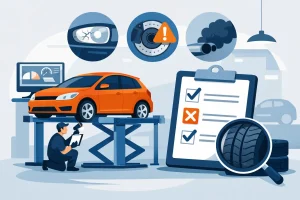
Start with your lights. Ask someone to help if you can, so you can check the front, rear, brake lights, indicators and number plate lights properly. If a bulb has gone, replacing it before the test is a simple fix. A dashboard warning light that stays on can also be a problem, especially if it relates to airbags, ABS or engine management.
Next, look at your tyres. The legal minimum tread depth in the UK is 1.6mm across the central three-quarters of the tyre, around the whole circumference. If the tread looks close to the limit, or the tyres are unevenly worn, it is worth having them checked before the MOT. Also keep an eye out for cuts, bulges or damage to the sidewall.
Your windscreen needs attention too. Chips and cracks can lead to a failure depending on their size and position. The windscreen must also give the driver a clear view of the road, so heavy smears, damage or anything obstructing the view can become an issue. Make sure the wiper blades clear the glass properly and top up your screenwash. An empty washer bottle is a very easy reason to fail.
Registration plates are another simple one. They should be clean, readable and securely attached. If a plate is badly cracked, faded or the spacing is incorrect, it could be flagged during the test.
The basic checks that make the biggest difference
A few quick checks on the day before your appointment can make a real difference. Open and close the doors to make sure they work from inside and outside. Test your horn. Fasten each seatbelt and check that it clicks in securely and retracts as it should.
Take a look underneath the car and around the engine bay for obvious fluid leaks. A small patch of water from air conditioning is one thing, but oil or brake fluid is another. If you have noticed a new smell, smoke, poor braking or unusual noises, do not ignore them and hope for the best. MOT testers are there to inspect roadworthiness, and some faults are hard to miss once the vehicle is on the ramp.
It is also worth checking your mirrors for damage and making sure they are secure. If anything is loose or broken, get it looked at before the test. The same goes for suspension knocks, steering that feels off-centre, or a brake pedal that feels soft.
None of this means every issue has to be fixed before the MOT. Sometimes it makes sense to have the test first and see the official result. But if the fault is obvious and safety-related, sorting it in advance usually saves time and avoids a failed certificate.
Cleanliness matters more than people think
Your car does not need to look showroom-ready, but it should be reasonably clean and accessible. Testers need to inspect certain parts of the vehicle properly, and a cluttered interior or packed boot can get in the way.
Clear rubbish from the footwells and remove anything heavy from the boot if it blocks access. Make sure the number plates can be read and the windscreen is clean inside and out. If your car is excessively dirty underneath, that can make inspection more difficult as well.
Cleanliness also helps you spot problems sooner. It is much easier to notice a damaged tyre, cracked lamp or fluid leak on a car that is not covered in mud and grime.
Paperwork and timing
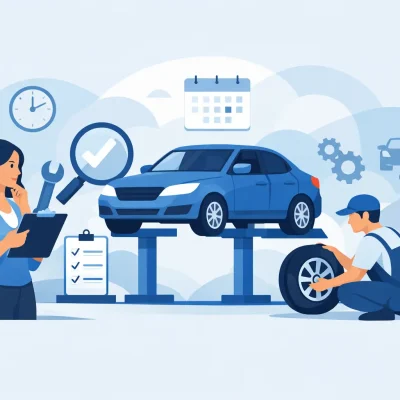
If you are working out how to prepare for MOT, do not leave the booking until the last minute. You can have an MOT test up to one month minus a day before the current certificate runs out and still keep the same renewal date. Booking early gives you more breathing space if repairs are needed.
Make sure you know when your MOT is due and plan around your work, school runs or commute. If the car fails and needs work, you may need to leave it with the garage longer than expected.
In most cases, you do not need to bring much paperwork for the MOT itself, especially if the test history is already on the system. Still, it helps to have your registration details handy and to mention any known issues when you book the car in. Being upfront about warning lights, braking concerns or tyre wear is useful. A good garage would rather know early than have you surprised later.
What people often miss before an MOT
A lot of drivers focus on the obvious things and forget the smaller details that still matter. One common example is fuel. Your car does not need a full tank, but it should have enough fuel for the tester to carry out the inspection properly. Running on fumes on the way to the garage is never a great plan.
Another often-missed point is child seats. If one is fitted, it can stop access to certain seatbelts. In some cases, the tester may not be able to inspect that belt fully. If it is easy to remove the child seat before the appointment, that can help.
Dashboard warning lights catch many people out too. Some drivers have got used to a light being on and assume it is harmless because the car still drives. That is not always the case. If a warning light stays illuminated, get advice before the test rather than hoping it will be overlooked.
If your car is older, be realistic
Older vehicles often need a bit more attention before an MOT. That does not mean they are unreliable, but wear and tear builds up over time. Exhaust issues, suspension wear, corroded brake pipes and tired tyres are more common on older cars, especially if they do a lot of short local trips or spend long periods parked up.
This is where a pre-MOT check can be useful. It gives you a chance to catch likely problems before the official test. For some drivers, that extra step is worthwhile because it avoids the disruption of a fail and retest. For others, it depends on the age, condition and service history of the car.
If your car has not been serviced in a while, or if it feels different to drive than it did a few months ago, it is sensible to get it looked at. Honest advice matters here. You want clear explanations of what genuinely needs doing, what can wait, and what is worth keeping an eye on.
Preparing for an MOT is not the same as hiding faults
There is a difference between preparing properly and trying to mask a problem. Topping up fluids, replacing a bulb and fitting new wipers is sensible maintenance. Trying to clear warning lights without fixing the cause, or ignoring tyres that are clearly unsafe, only delays the issue.
A proper MOT is there to protect you, your passengers and everyone else on the road. If the car fails on something serious, that is useful information. It means the fault has been identified before it turns into a bigger risk or a more expensive repair.
That is why it pays to use a garage that explains things plainly. At Kingshill Autos, we know most drivers are not looking for jargon or a sales pitch. They want honest guidance, fair pricing and work that is actually needed.
The best approach is simple
If you want the easiest answer to how to prepare for MOT, it is this: check the obvious things early, do not ignore warning signs and give yourself enough time before the certificate runs out. A few minutes spent on tyres, lights, wipers and visibility can prevent a straightforward fail.
And if something does not seem right with the car, trust that instinct. Getting it checked before the MOT is usually less stressful than waiting for a surprise on test day. A little preparation goes a long way, and peace of mind is always worth having when you rely on your car every day.