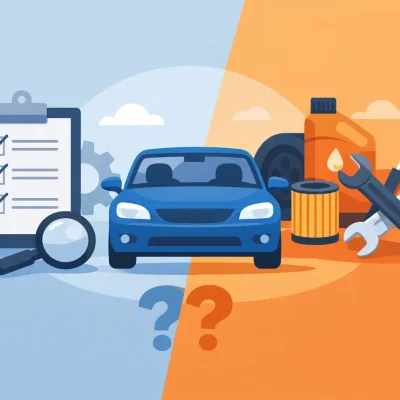
Most cars do not wait politely until a convenient day to ask for attention. They start with small signs – a dashboard light, brakes that feel different, a rough idle, or a service date you meant to check months ago. If you are wondering when does a car need servicing, the honest answer is usually sooner than many drivers think, especially if the car is used every day for school runs, commuting, shopping and weekend journeys.
A proper service is not just a box to tick. It is a routine check of the parts, fluids and systems that keep your car safe, reliable and efficient. Leave it too long and a straightforward service can turn into a more expensive repair. Keep on top of it and you are far more likely to avoid breakdowns, catch wear early and keep your car running as it should.
When does a car need servicing by time or mileage?
For most vehicles in the UK, servicing is due once a year or every 10,000 to 12,000 miles. Some manufacturers set different intervals, and newer cars with long-life servicing may go further between visits. Even so, annual servicing is still a sensible rule for many motorists, because real-world driving often puts more strain on a car than the handbook assumes.
The key point is that it is not only about mileage. A car that covers very few miles can still need servicing every 12 months. Oil degrades over time, brake components can corrode, tyres age, batteries weaken and filters collect dirt whether the car is constantly on the motorway or mostly parked outside the house.
If you do lots of short trips around High Wycombe, regular stop-start driving, or long periods sitting in traffic, your car may need attention a bit sooner. Those conditions can be harder on engines, brakes and batteries than steady longer runs.
Why annual servicing still matters
Many drivers assume a car that feels fine does not need looking at. That is understandable, but not always wise. Plenty of common issues build gradually and do not cause an obvious problem until the wear is already advanced.
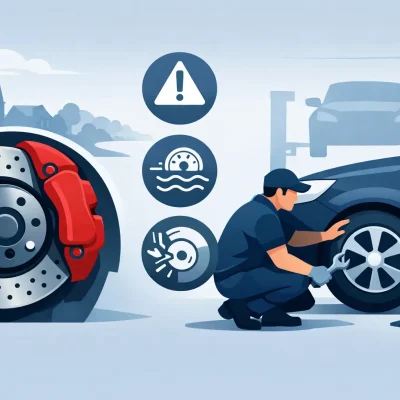
Brake pads are a good example. They often wear down slowly enough that you barely notice. Engine oil can lose its effectiveness long before a warning light appears. A timing belt or wet belt may have a replacement schedule based on age as well as mileage, and missing that interval can lead to serious engine damage.
An annual service helps spot these issues while they are still manageable. It also creates a clear maintenance record, which can help if you sell the vehicle later on.
Signs your car may need servicing sooner
Sometimes the calendar and odometer are not the best guide. Your car may tell you something is wrong before the next scheduled service is due.
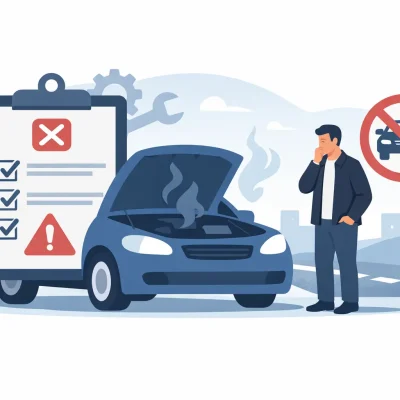
If you notice unusual noises, reduced fuel economy, poor starting, vibrations, warning lights, smoke from the exhaust, a burning smell, or the car pulling to one side, it is worth getting it checked. These symptoms do not always mean a major fault, but they rarely improve by being ignored.
Changes in how the clutch feels, how the brakes respond, or how smoothly the engine runs can also point to wear that needs attention. The sooner those problems are diagnosed, the better the chance of keeping repair costs under control.
When does a car need servicing if it does low mileage?
This catches out more people than you might think. A car that only does a few thousand miles a year still needs regular servicing.
Low-mileage vehicles often do short journeys, and that can be tough on the engine. The oil may not get hot enough for long enough to work at its best, condensation can build up, and the battery may not fully recharge. Tyres can also deteriorate with age even if the tread looks acceptable.
So if your car mainly does local trips, school runs or occasional shopping journeys, do not assume you can skip a year. Time-based servicing is there for a reason.
What happens during a service?
The exact checks depend on whether your car is due an interim, full or major service, but the aim is the same: to inspect wear, replace key items and make sure everything is working as it should.
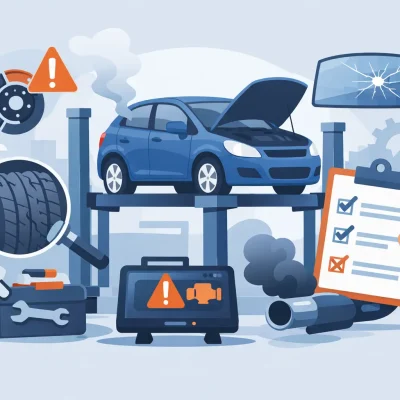
A service commonly includes an oil and oil filter change, fluid checks, brake inspection, tyre checks, steering and suspension inspection, battery check, and a general review of the vehicle’s condition. A fuller service may also include air filters, spark plugs on petrol cars, fuel filters on some vehicles and other manufacturer-recommended items.
That is why servicing is not the same as an MOT. An MOT checks whether your vehicle meets the legal road safety and environmental standards at the time of the test. A service is maintenance. One does not replace the other.
Service schedule vs real life driving
The handbook is a useful starting point, but real life matters. A manufacturer schedule is based on general use, and not every driver uses their car in the same way.
If your driving involves towing, carrying heavy loads, frequent cold starts, lots of short trips or sitting in traffic, your car may benefit from more regular checks. On the other hand, a car used mostly for longer steady journeys may wear differently. That is where honest advice from a local garage makes a real difference. You want a recommendation based on how you actually drive, not a one-size-fits-all sales pitch.
Can you wait for the service light?
Service lights are helpful, but they should not be your only guide. Some vehicles calculate service intervals based on driving conditions, while others work to a preset mileage or time count. If the car has missed previous servicing or if a warning system has not been reset correctly in the past, the reminder may not tell the full story.
It is better to know your last service date, your current mileage and the manufacturer’s interval. If you are unsure, a garage can usually advise quickly from the vehicle details and service history.
The cost of leaving it too late
Delaying a service can seem like a way to save money in the short term, especially when the car appears to be running normally. In practice, it often does the opposite.
Old oil increases engine wear. Worn brake parts can damage discs as well as pads. Ignoring a noisy timing belt area, a slipping clutch or poor engine performance can lead to a much larger bill later. Even something as simple as underinflated tyres or neglected wheel alignment can cost more over time through extra fuel use and uneven tyre wear.
Regular servicing gives you a clearer picture of what is urgent, what can wait a little and what is in good order. That kind of transparency is especially valuable if you are trying to budget sensibly.
How to know what your car needs now
If you cannot remember the last service, start with three checks. Look at the service book or digital history, check the mileage since the last visit, and pay attention to any changes in how the car feels or sounds.
If it has been around 12 months, or you are close to the next mileage interval, it is usually time to book in. If the car is showing warning signs, do not wait for convenience. A prompt inspection can stop a minor issue becoming a major one.
For drivers who want straightforward advice without jargon, a trusted local garage is often the best option. A good workshop will explain what your car actually needs, what can reasonably wait, and what the likely costs are before any work goes ahead. That is the sort of practical, honest approach motorists appreciate, and it is exactly why many local drivers choose Kingshill Autos.
A sensible rule of thumb
If you want the simplest answer to when does a car need servicing, use this: at least once every 12 months, or sooner if you hit the mileage interval or notice something is not right. It is not about spending money for the sake of it. It is about keeping your car dependable, safe and cheaper to own in the long run.
A well-serviced car rarely thanks you in words. It simply starts on cold mornings, gets you where you need to go, and causes fewer unwelcome surprises when life is already busy.