A long drive has a way of exposing the small problems that daily school runs and short commutes can hide. A weak battery may cope with a five-minute trip but struggle after a motorway stop. Brakes that have started to feel slightly different can become a real concern on busy roads. Booking a car service before a long journey gives you time to deal with those issues at home, rather than at the roadside or during your holiday.
It is not about paying for work you do not need. It is about having an experienced technician check the parts of the car that matter most for safe, reliable travelling, then explaining clearly if anything needs attention.
Why a car service before a long journey is worthwhile
Long journeys put more sustained demand on your vehicle than normal local driving. You may be carrying passengers, luggage and perhaps a roof box, all of which add weight. Hours at motorway speed create more heat in the engine, tyres and brakes, while long periods of air conditioning use can put extra load on the battery and charging system.
A service is a sensible way to spot wear before it develops into a breakdown. It can also help you avoid the frustration of losing holiday time to a garage you do not know, or having to arrange recovery far from home.
Your MOT is useful, but it is not a substitute for servicing. An MOT checks whether a vehicle meets the minimum legal safety and environmental standards on the day it is tested. It does not replace routine maintenance, nor does it tell you how close service items such as engine oil, filters or a timing belt may be to needing replacement.
When should you book it?
Ideally, arrange your service one to two weeks before you set off. That allows enough time for any recommended repairs to be completed without last-minute pressure. If the car is due a service soon anyway, it makes sense to bring it forward rather than travel hundreds of miles and deal with it afterwards.
If you have recently had a full service and the car has been driving normally, you may only need a pre-journey inspection. The right option depends on the vehicle’s age, mileage, service history and the type of trip you are taking. A family car heading to Cornwall for a week needs a different level of preparation from a low-mileage vehicle making an occasional day trip.
Tell the garage about any concerns when booking. A noise when braking, a dashboard light that comes and goes, difficulty starting, vibration through the steering wheel or a loss of coolant are all worth mentioning. Small details help a technician investigate the right area rather than relying on guesswork.
What should be checked before travelling?
A proper pre-journey check should focus on reliability and safety, not on finding unnecessary jobs. The following areas deserve attention.
Tyres, including the spare
Tyres are your only contact with the road, so condition and pressure matter greatly. Tread depth must be above the legal limit, but tyres close to that limit may not be the best choice for a wet, heavily loaded journey. Worn tyres reduce grip and increase stopping distances, particularly in standing water.
The tyre pressures should be adjusted to suit the load. Your vehicle handbook or the label inside the fuel flap or door frame will usually show the recommended pressures for normal and fully laden driving. Do not forget the spare wheel if your car has one. If it uses a repair kit instead, check that the sealant is in date and the compressor works.
Brakes and steering
You should feel confident that the car stops in a straight line without pulling, grinding, juddering or a soft brake pedal. Brake pads and discs wear gradually, which is why drivers can sometimes miss the early signs. A technician can assess their condition and identify issues such as sticking components or brake fluid that is due for replacement.
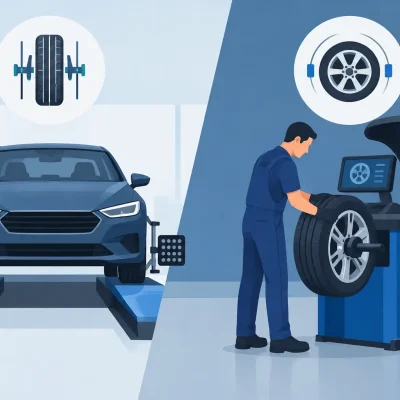
Steering and suspension are equally important on a longer drive. Knocking over bumps, a car that wanders on the motorway, or uneven tyre wear can point to worn components or wheel alignment issues. These faults can make a journey tiring and may cause tyres to wear faster than they should.
Fluids, filters and cooling
Low engine oil, low coolant or an old filter can turn a manageable journey into an expensive repair if ignored. A service checks the levels and condition of key fluids, including engine oil, coolant, brake fluid and screenwash where appropriate. Screenwash can seem minor until motorway spray or summer insects leave the windscreen difficult to see through.
The cooling system deserves particular care. If your car has been losing coolant, overheating, or showing a temperature warning light, do not simply top it up and hope for the best. There may be a leak, a faulty component or another underlying issue that needs proper diagnosis before a long run.
Battery, lights and electrical systems
Modern vehicles rely heavily on their electrical systems. A battery can weaken without obvious warning, especially after lots of short journeys, cold weather or infrequent use. A battery health check can reveal whether it is charging correctly and whether it is likely to let you down.
All exterior lights should work properly: headlights, brake lights, indicators, fog lights and number plate lights. It is also worth checking the wipers and washers. Clear visibility is not optional when weather changes quickly on a long journey.
Belts, warning lights and diagnostics
If your timing belt or wet belt is due for replacement based on age or mileage, do not delay it because a trip is planned. These are maintenance items with set replacement intervals, and failure can cause serious engine damage on many vehicles. Your service record or vehicle manufacturer schedule should guide the timing.
A warning light should never be ignored just because the car still drives. Some lights require immediate attention, while others may point to a developing fault that needs diagnostic testing. Having the cause checked before you leave is far better than watching an amber light appear again halfway through your journey.
A few checks you can do yourself
A garage inspection is valuable, but there are simple checks every driver can make the day before setting off. Walk around the car and look for damaged tyres, loose number plates, cracked light lenses or signs of fluid on the ground. Check that you have enough fuel or charge for the first part of the journey, and keep your windscreen clean inside and out.
Pack sensibly too. Heavy luggage should be secured and spread evenly, not piled high enough to block your rear view. If you are using a roof box, make sure it is fitted securely and remember that it can affect fuel economy and how the car handles in crosswinds.
It is also sensible to carry a few basics:
- a warning triangle and high-visibility vest, where safe and appropriate to use
- a phone charger and the details of your breakdown cover
- drinking water, especially when travelling with children or pets
- your locking wheel nut key, if your car uses locking wheel bolts
Choose advice you can trust
The best garages do not treat a pre-holiday service as an excuse to add work to the bill. They explain what has been checked, what is safe for now, what will need attention soon and what genuinely requires repair before you travel. That gives you control over the decision and a clearer picture of your car’s condition.
At Kingshill Autos, the aim is straightforward: honest advice, clear explanations and work carried out properly. Whether your car needs routine servicing, brake attention, diagnostics or a timing belt replacement, addressing it before you leave can make the journey far less stressful.
A little preparation cannot prevent every puncture or unexpected fault, but it can remove many avoidable risks. Set aside time for the checks, listen to any changes in how your car feels, and leave home knowing it has been looked after properly.