That dashboard reminder tends to appear at the worst possible time – just when life is busy and the car seems to be running perfectly well. It is also when many drivers ask the same question: what does a car service include, and do you really need one if nothing feels wrong?
The short answer is yes, regular servicing matters even when your car appears fine. A service is not the same as an MOT. An MOT checks whether your vehicle meets the legal minimum standard to be on the road at that moment. A service is about maintenance. It is designed to keep the car running properly, catch wear early, and reduce the risk of more expensive problems later on.
What does a car service include at a garage?
The exact answer depends on the type of service booked and the make, model, age, and mileage of the vehicle. There is no single checklist that applies to every car. That said, most services include a mixture of inspections, fluid checks, filter replacements, and parts changes based on condition and service schedule.
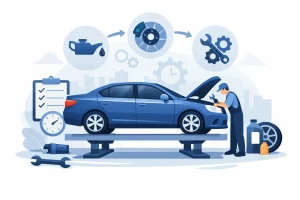
At a typical garage, a car service will usually cover engine oil and oil filter replacement, checks on brakes, tyres, suspension, steering, battery condition, lights, wipers, and fluid levels. Technicians will also inspect visible components for signs of leaks, wear, corrosion, or damage. On some vehicles, the service may include replacing the air filter, pollen filter, fuel filter, or spark plugs if they are due.
This is where honest advice matters. A good garage should explain what is included as standard, what is recommended because it is due, and what is optional because it depends on wear. That way, you are not left wondering whether you are paying for essential maintenance or being sold extras you do not need.
The difference between interim, full and major servicing
Most garages offer different levels of servicing, and the names can vary slightly, but the general idea is fairly consistent.
Interim service
An interim service is the lighter option, usually recommended every 6 months or around 6,000 miles if you drive regularly. It is often a sensible choice for high-mileage drivers, commuters, and anyone who does lots of stop-start town driving.
This normally includes an oil and oil filter change, top-ups of key fluids, and a broad inspection of important safety and wear items such as tyres, brakes, lights, battery, wipers, and suspension components. It is intended to keep the car in good working order between more detailed services.
Full service
A full service is more thorough and is commonly carried out every 12 months or around 12,000 miles, though the correct interval depends on the manufacturer schedule.
Alongside the oil and filter change, a full service tends to include a wider inspection of the vehicle and replacement of additional service items where required. Air filters and cabin filters are commonly checked and changed if due. More components are examined in detail, and the service record is updated.
Major service
A major service is the most comprehensive routine service and is usually carried out every 24 months or around 24,000 miles, again depending on the vehicle.
This includes everything in a full service but with more replacement items added in line with the manufacturer schedule. That may include spark plugs, fuel filters, and other parts that wear over time. For some cars, this is also when larger maintenance jobs become relevant, such as brake fluid replacement or checks around timing belt intervals.
What gets checked during a car service?
If you have ever picked up a vehicle after servicing and looked at the sheet of ticked boxes, it can feel a bit vague. In plain terms, the garage is looking at the systems most likely to affect safety, reliability, and running costs.
Oil and filters
Fresh engine oil helps reduce wear and keeps the engine properly lubricated. Over time, oil degrades and becomes less effective. The oil filter is replaced at the same time because it traps contaminants. Leaving old oil in too long can increase engine wear and, in some cases, lead to serious damage.
Other filters may also be checked or replaced. The air filter helps the engine breathe properly, the pollen filter affects cabin air quality, and the fuel filter protects the fuel system on some vehicles.
Brakes
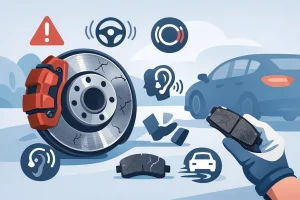
Brake pads, discs, and the overall braking system are inspected for wear and condition. If something is worn but not yet at the point of failure, a good garage should tell you clearly how urgent it is. That gives you time to plan rather than being hit with a surprise later.
Tyres and wheels
Tyres are checked for tread depth, condition, and pressure. Uneven tyre wear can also point to alignment or suspension issues. This part of the service is easy to overlook, but tyres affect braking distance, grip, fuel economy, and general safety.
Suspension and steering
Technicians will check visible suspension and steering components for wear, damage, or looseness. Problems here can show up as knocking noises, uneven tyre wear, poor handling, or a car that does not feel stable on the road.
Battery, lights and electrics
The battery condition may be tested, especially if there are signs of weakness. Lights, indicators, horn, and other basic electrical items are also checked. It sounds simple, but small faults here are common and worth catching early.
Fluids and leaks
Coolant, brake fluid, screenwash, and sometimes power steering fluid are checked and topped up if needed. The technician will also look for visible signs of leaks. Low fluid levels can be a clue that something else is wrong, so topping up is only part of the job.
What a car service usually does not include
This is where many misunderstandings happen. A standard service does not mean every part of the car is stripped down, tested, and replaced if worn. It is routine maintenance, not a complete overhaul.
Tyres, brake pads, discs, batteries, suspension parts, clutch components, and timing belts are not normally included in the base price unless the service schedule says they are due or inspection shows they need attention. The same goes for repairs identified during the service. If a problem is found, the garage should contact you, explain it clearly, and provide a quote before carrying out extra work.
That is one reason service prices can differ. One car may need little more than fresh oil and standard checks, while another may be due several replacement items at the same visit.
Is a car service the same as an MOT?
No, and it is worth keeping the difference clear.
An MOT is a legal requirement for most vehicles over three years old in the UK. It checks roadworthiness and emissions against set standards on the day of the test. A service is recommended maintenance and is focused on the ongoing health of the vehicle.
A car can pass an MOT and still need a service. It can also be serviced and fail an MOT if a legal standard is not met. Ideally, both work together. Many drivers book them around the same time for convenience, but they are not interchangeable.
How often should you service your car?
The best answer is to follow the manufacturer schedule for your specific car. If you do a lot of short journeys, heavy commuting, school runs, or stop-start driving, more frequent servicing can make good sense. Those conditions are often harder on the engine and brakes than steady motorway miles.
If you are unsure, ask for advice based on your mileage and driving habits rather than a one-size-fits-all answer. That tends to be the fairest way to approach it.
For many drivers, annual servicing is a sensible minimum. Skipping services to save money can seem reasonable in the short term, but it often costs more later if small issues turn into larger repairs.
Why regular servicing saves money over time
Servicing is easier to value when you think beyond the invoice in front of you. Clean oil, healthy brakes, correctly inflated tyres, and early warning of wear all help avoid bigger bills.
It can also protect resale value. A car with a good service history is generally more appealing to buyers because it shows the vehicle has been looked after. If the car is financed or still under warranty, missing services can cause extra complications too.
At a local garage, the real benefit is often the conversation as much as the checklist. You should come away understanding what has been done, what might need planning for, and what can wait. That kind of straightforward advice is exactly what most drivers want.
If you have been putting it off because the car feels fine, that is usually the moment to book it. Routine servicing is not about fixing what is already broken. It is about keeping a dependable car dependable, and giving yourself fewer nasty surprises further down the road.