One of the most frustrating garage bills to face is a clutch repair, especially when the car still starts, drives, and seems almost normal apart from a slipping pedal or awkward gear change. The clutch replacement cost UK drivers pay can vary quite a bit, and that is usually down to the car itself, how much labour is involved, and whether other parts need changing at the same time.
If you have been told your clutch needs replacing, the first thing to know is that there is no single fixed price for every vehicle. A small hatchback will usually cost much less than a large diesel family car, a van, or a model where access to the gearbox is more time-consuming. Honest garages should explain what is included in the quote, what might increase the cost, and whether any related parts are worth doing while everything is apart.
What is the average clutch replacement cost UK drivers pay?
For many standard cars in the UK, clutch replacement often falls somewhere between £450 and £900. On some smaller, simpler cars it can be lower, while premium models, larger vehicles, and cars with more complex layouts can go well above that.
The reason the range is so wide is simple. Replacing a clutch is not just about the part itself. Much of the cost comes from labour, because the gearbox usually has to be removed to reach the clutch assembly. That is a fairly involved job on many vehicles and can take several hours.
As a rough guide, a basic clutch kit for an everyday car may be reasonably priced, but labour can make up a large part of the final bill. If the flywheel also needs replacing, particularly a dual mass flywheel, the total can rise sharply.
What is included in a clutch replacement?
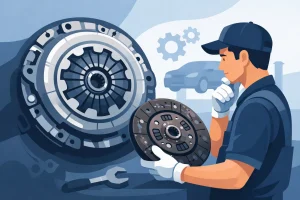
When people ask about clutch replacement cost UK prices, they are often comparing figures without realising garages may be quoting for slightly different jobs. A standard clutch replacement usually includes the clutch plate, pressure plate, and release bearing. These are commonly supplied together as a clutch kit.
In many cases, that is enough. But on some vehicles, mechanics may also recommend replacing the concentric slave cylinder if it is fitted inside the bell housing. This is because it is much more sensible to change a worn hydraulic component while the gearbox is already off than to pay for similar labour again later.
Some cars will also need gearbox oil topped up or replaced during the job. If there are worn mounts, damaged linkages, or oil leaks contaminating the clutch, these may need attention too. That is why a proper quote should spell out what is included rather than giving a vague headline number.
Why clutch prices vary so much
The biggest factor is labour time. On one car, the gearbox may come out with relatively straightforward access. On another, there may be subframe components, driveshafts, or tightly packed engine bay parts making the work slower and more involved.
Parts quality also matters. Some owners understandably look for the cheapest price, but there can be a difference between a budget clutch kit and a quality part from a recognised manufacturer. With a job this labour-heavy, fitting poor-quality parts rarely saves money in the long run.
Vehicle type has a big effect too. Performance cars, SUVs, diesels with high torque output, and commercial vehicles tend to have more expensive clutch components. If your car uses a dual mass flywheel, that can add several hundred pounds to the bill if it has worn out or become noisy.
Then there is location. Labour rates can vary by area and between garages. National chains often have different pricing structures from independent local workshops. A trusted independent garage will often give better value, especially if they take the time to explain the job clearly and only recommend what is genuinely needed.
The flywheel question
This is where many clutch bills become a shock.
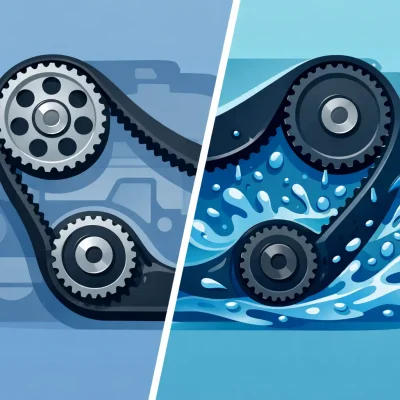
Some vehicles have a solid flywheel, while many modern diesels and some petrol models use a dual mass flywheel. The dual mass type is designed to reduce vibration and improve refinement, but it is more expensive. If it is badly worn, replacing the clutch alone may not be the right fix.
A worn flywheel can cause rattling, vibration, poor clutch engagement, and premature wear of the new clutch if left in place. Not every clutch replacement needs a flywheel, but it should always be checked once the gearbox is removed.
This is also why some initial estimates come with a note saying the final cost may change if the flywheel is found to be damaged or out of tolerance. That is not automatically a hidden extra. Sometimes it is simply impossible to inspect properly until the car is dismantled.
Signs your clutch may need replacing
A clutch does not always fail all at once. Often, it gives a few warnings first.
The most common sign is slipping. You may notice the engine revs rise without the car accelerating properly, especially in higher gears or when going uphill. Another clue is difficulty selecting gears, particularly reverse or first. Some drivers also notice a biting point that has changed, a clutch pedal that feels unusually stiff or spongy, or a burning smell after setting off.
Juddering when pulling away can also point to clutch wear, although it can sometimes be caused by contamination or related components rather than the clutch itself. If there is noise when pressing the pedal, the release bearing may be worn.
These symptoms do not always mean a full replacement is needed immediately, but they do mean the car should be checked sooner rather than later. Leaving it too long can lead to a breakdown or extra damage.
Can you keep driving with a worn clutch?
Sometimes yes, but it is a risk.
A mildly worn clutch might last for weeks or months, depending on how you drive and how bad the wear already is. But once slipping starts, the clutch can deteriorate quickly. The more it slips, the more heat it creates, and that heat can damage the flywheel and other components.
If gear changes are becoming difficult or the car struggles to move under load, it is better not to leave it. What starts as a straightforward clutch job can become a more expensive repair if related parts suffer from the extra strain.
For commuters and families who rely on the car every day, booking the repair before total failure is usually the less stressful option.
How long should a clutch last?
There is no perfect mileage figure, because driving style makes a huge difference. Some clutches wear out at 30,000 to 40,000 miles, while others last well over 80,000 miles.
Frequent stop-start driving, towing, hill starts, riding the clutch pedal, and heavy traffic all shorten clutch life. Motorway driving is generally easier on the clutch. A newer driver may also wear a clutch faster than someone with smoother technique.
That said, not all clutch wear is down to driver error. Age, vehicle design, hydraulic faults, and oil contamination can all play a part.
How to get a fair clutch quote
If you are comparing prices, ask what the quote actually covers. A sensible garage should tell you whether the price includes labour, the clutch kit, VAT, and any likely extras. It is also worth asking whether the flywheel has been allowed for, whether the slave cylinder is included if applicable, and what brand of parts will be fitted.
The cheapest number is not always the best value. A low quote can sometimes exclude key items or rely on lower-grade parts. On the other hand, a higher quote should come with a clear reason, not vague language.
Good garages keep it simple. They explain the likely cost, the possible variables, and what they will check once the car is stripped down. That sort of transparency matters far more than flashy pricing promises.
Is it worth replacing the clutch on an older car?
Usually, it depends on the overall condition and value of the vehicle.
If the car is otherwise reliable, has a decent MOT outlook, and still suits your needs, a clutch replacement can be well worth doing. It is often cheaper than replacing the car and taking on another unknown vehicle with its own repair risks.
If the car has multiple major problems, poor structural condition, or very low value, the decision becomes more difficult. In that case, it helps to look at the bigger picture rather than the clutch bill alone.
For local drivers around High Wycombe, the most useful approach is often to get the car assessed properly and ask for a straightforward opinion. A trustworthy garage should tell you if the repair makes sense and if there are any other issues likely to affect the value of going ahead.
A sensible way to look at clutch costs
A clutch replacement is rarely a small bill, but it should not feel like a mystery. Once you understand that the price is shaped by labour time, parts quality, and whether the flywheel or hydraulic parts also need attention, the quote becomes much easier to judge.
If your clutch is starting to slip or gear changes are getting worse, the best next step is not to guess – it is to get a clear inspection and a proper explanation. Paying for the right repair at the right time is usually cheaper, and far less stressful, than waiting for a complete failure at the side of the road.