A clutch rarely fails all at once without warning. More often, your car starts giving you clues – the biting point changes, gear changes feel awkward, or the engine revs rise without the car picking up speed as it should. If you have been asking when does a clutch need replacing, the short answer is this: when it starts slipping, dragging, juddering, or no longer lets you change gear smoothly and safely.
For many drivers, clutch problems can feel worrying because the symptoms often start small. You might notice them on the school run, in stop-start traffic, or when pulling away from a roundabout. The good news is that the signs are usually there before complete failure, and catching the issue early can help you avoid a breakdown and keep repair costs clearer and more manageable.
When does a clutch need replacing? The main signs
A worn clutch usually affects how the car feels to drive. One of the most common signs is clutch slip. This happens when you press the accelerator, the engine revs increase, but the car does not gain speed properly. It is often most obvious in higher gears or when driving uphill.
Another clear sign is difficulty changing gear. If the clutch is not disengaging properly, the gearbox can feel stiff or reluctant, especially when selecting first gear or reverse. In some cases, you may also hear grinding when trying to engage a gear.
Juddering is another common complaint. If the car shakes or vibrates as you move off, the clutch plate may be worn unevenly or contaminated. Sometimes the cause is linked to another component in the clutch system rather than the friction plate alone, which is why a proper inspection matters.
A high biting point can also suggest wear. If the clutch pedal needs to come almost all the way up before the car starts moving, the clutch may be nearing the end of its life. Not every high biting point means immediate replacement, but it is a sign worth checking.
You may also notice unusual noises when pressing the clutch pedal. A worn release bearing, for example, can make a whirring or rumbling sound. That does not always mean the entire clutch has failed, but it often points to wear in the system that should not be ignored.
What a clutch actually does
Your clutch connects the engine to the gearbox and allows you to change gear smoothly. When you press the pedal, the clutch disengages the engine drive so you can select another gear. When you lift the pedal, drive is transferred back through to the wheels.
Because this process happens every time you pull away, stop, or change gear, the clutch is a hard-working part. Over time, the friction material wears down in much the same way brake pads do. How quickly that happens depends on the car, the type of driving you do, and how the vehicle is driven day to day.
How long should a clutch last?
There is no single mileage at which every clutch needs replacing. Some last well beyond 70,000 miles, while others wear out much earlier. A lot depends on driving conditions and driving style.
Cars used mostly for motorway driving often see less clutch wear than vehicles doing short urban trips with constant stopping and starting. Hill starts, heavy traffic, towing, and riding the clutch can all shorten its life. A newer driver may naturally wear a clutch faster than someone with years of smooth driving behind them, and that is quite common.
That is why mileage alone does not tell the full story. A clutch at 40,000 miles can be badly worn in one car and perfectly healthy in another.
Symptoms that can feel like clutch trouble but are not always the clutch
This is where things get a bit more nuanced. Not every problem around gear changes means you need a full clutch replacement.
A hydraulic fault can affect pedal feel and gear engagement. If there is a problem with the master cylinder or slave cylinder, the clutch may not disengage properly even if the clutch plate itself still has life left in it. Likewise, gearbox issues, worn engine mounts, or linkage faults can sometimes mimic clutch symptoms.
That is why a proper diagnosis matters. A trustworthy garage should explain what has actually failed, what needs replacing now, and what does not. Sometimes the answer is a full clutch kit. Sometimes it is another component in the system.
Can you keep driving with a worn clutch?
Sometimes, yes – but it depends on the symptoms. If the clutch is only just starting to wear, the car may still be driveable for a while. But once it starts slipping regularly or makes gear changes unreliable, the risk goes up quickly.
A slipping clutch will usually get worse, not better. It can leave you struggling to accelerate safely, especially when joining faster roads or climbing hills. If the clutch fails completely, you may not be able to move off at all or change gear properly, which can leave you stranded.
If the pedal suddenly feels different, the car becomes difficult to drive, or you notice a burning smell after setting off, it is best to get it checked sooner rather than later. Continuing to drive can sometimes lead to extra wear on related parts, which may increase the eventual bill.
What happens during clutch replacement?
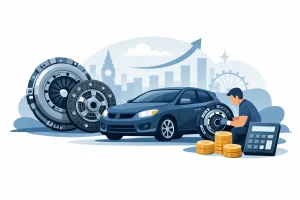
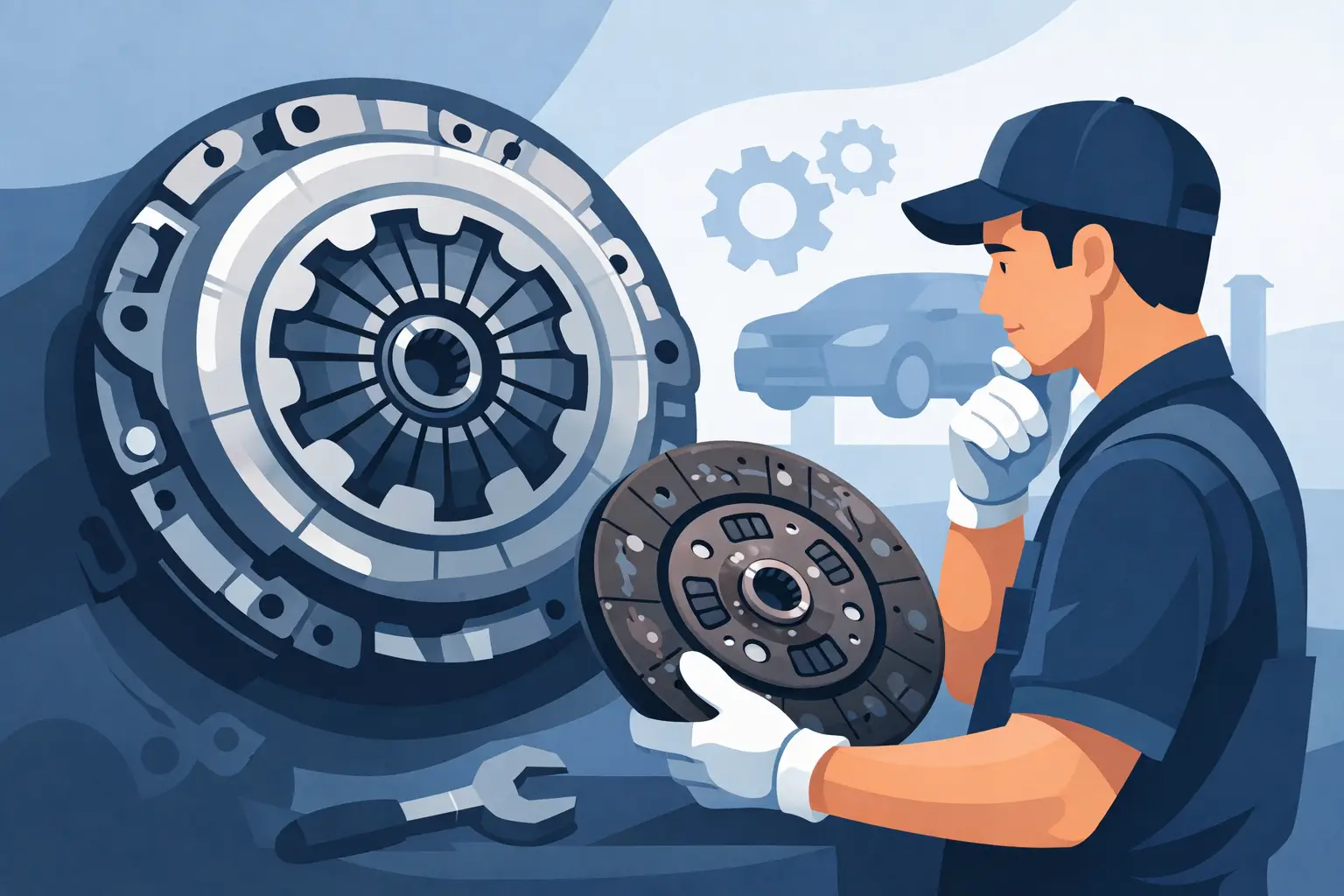
In most cases, the gearbox needs to be removed to access the clutch assembly. Because of the labour involved, garages will usually recommend fitting a complete clutch kit rather than replacing one worn part on its own. That typically includes the clutch plate, pressure plate, and release bearing.
Depending on the vehicle and the symptoms, the flywheel may also need inspection. Some cars have a dual mass flywheel, which can wear or develop excessive movement over time. If that part is damaged, replacing the clutch without addressing the flywheel may not solve the problem properly.
This is one reason clutch replacement costs can vary so much from car to car. The make and model, how accessible the parts are, and whether the flywheel is involved all affect the final price.
How much does clutch replacement cost?
There is no honest one-price-fits-all answer. On some cars, clutch replacement is fairly straightforward. On others, labour time is higher and parts are more expensive. If a flywheel also needs replacing, the cost rises further.
What matters most is transparency. You should expect a clear quote, a proper explanation of what is included, and no pressure to agree to extra work you do not understand. If a garage identifies additional worn parts once the job is underway, they should discuss that with you before carrying on.
For many drivers, clutch replacement is not a small expense, but delaying too long can make life more difficult and may leave you without the car when you need it most.
How to make a new clutch last longer
Good driving habits really do make a difference. Avoid resting your foot on the clutch pedal while driving, as even slight pressure can cause unnecessary wear. Try not to hold the car on the clutch on hills – use the handbrake instead. Smooth gear changes and controlled pull-aways also help reduce strain.
If you spend a lot of time in traffic, some clutch wear is unavoidable. That is just the nature of everyday driving. But avoiding harsh starts and not overloading the vehicle unnecessarily can still help extend its life.
When to book an inspection
If the clutch feels different from normal, that alone is a good reason to have it looked at. Drivers often know their own car well, and small changes in pedal feel, bite point, or gear engagement are worth paying attention to.
The key thing is not to wait for complete failure. If you are noticing slipping, difficulty selecting gears, juddering, or unusual noises, an inspection can tell you whether the clutch is worn, whether another fault is involved, and how urgent the repair really is. At Kingshill Autos, that means giving you a clear explanation in plain English, so you know exactly where you stand.
A clutch does not need replacing simply because a car has reached a certain age or mileage. It needs replacing when wear or damage starts affecting the way the car drives. Catch it early, get honest advice, and you give yourself the best chance of keeping the repair straightforward rather than stressful.