That light grinding sound when you slow down is usually enough to make any driver wonder how much is brake repair going to cost this time. The honest answer is that brake repair can be fairly modest if caught early, or more expensive if worn parts are left too long. In most cases, the final bill depends on what needs replacing, the make and model of your car, and whether the problem is limited to pads or has spread to discs, calipers or brake fluid issues.
Brakes are one of those jobs where a clear explanation matters as much as the repair itself. Most drivers do not want a lecture on parts and labour. They want to know what is wrong, what it will cost, and whether the work is urgent. That is exactly the right way to think about it.
How much is brake repair likely to cost?
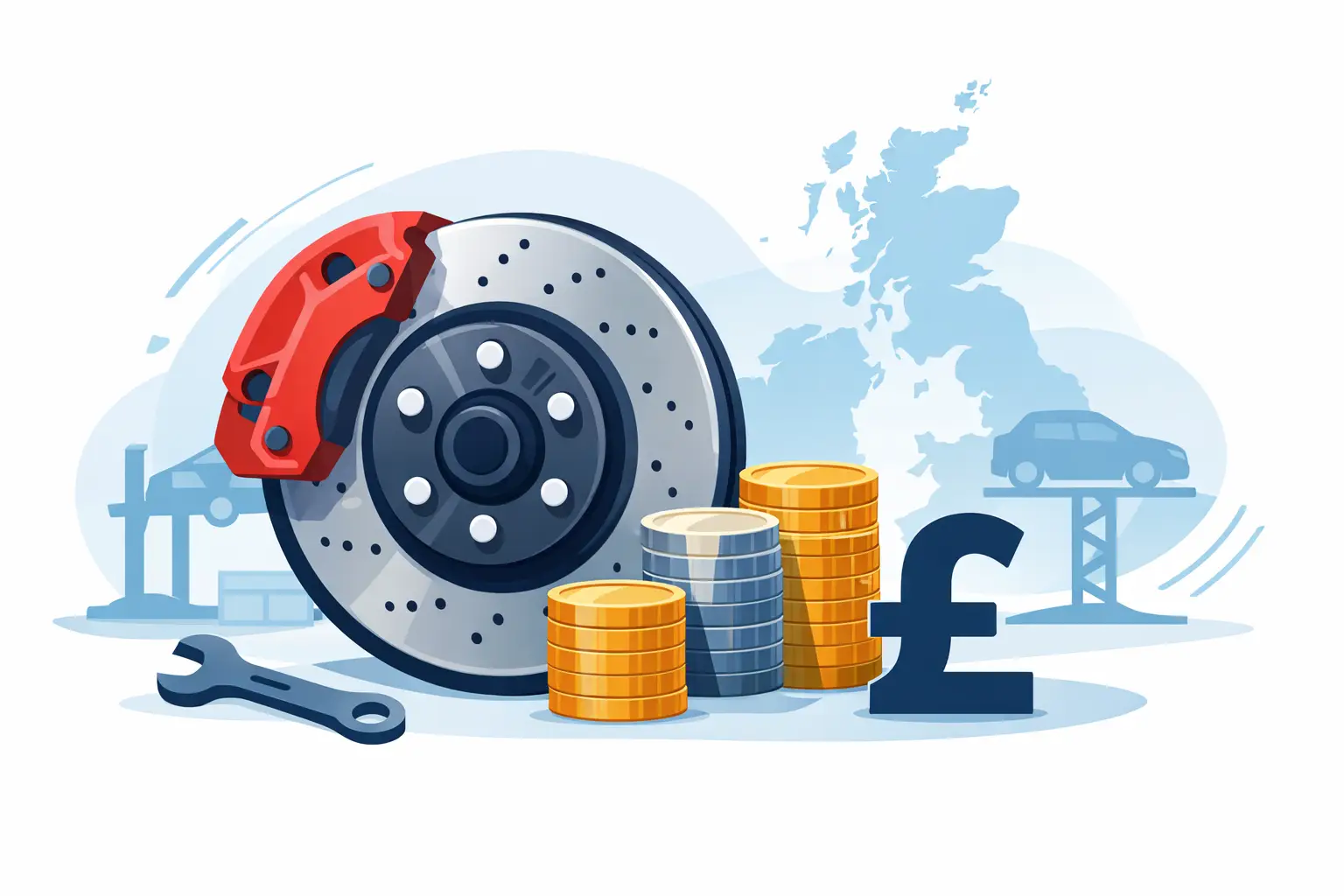
For many cars in the UK, replacing brake pads on one axle often falls somewhere around £80 to £180. If the discs need replacing as well, the price for pads and discs on one axle is more likely to be in the region of £180 to £350. On some vehicles it can be less, and on larger, premium or performance models it can be noticeably more.
If the issue goes beyond normal wear parts, costs rise. A sticking caliper, damaged brake hose, worn wheel bearing affecting brake performance, or a full brake fluid service can all add to the total. Rear brakes can also vary more than drivers expect, especially on cars with electronic parking brakes, because labour can be more involved.
That is why there is no single fixed answer to how much is brake repair. A small hatchback needing front pads is a very different job from an SUV needing rear discs, pads and caliper work.
What affects the cost of brake repair?
The biggest factor is which parts need changing. Brake pads are normally the most routine item. Discs tend to cost more because the parts are dearer and fitting takes longer. If the brakes have been noisy or weak for a while, it is common for worn pads to damage the discs, turning a simpler repair into a larger one.
Vehicle type also matters. Parts for some makes are widely available and affordable. Others, especially prestige brands or heavier vehicles, use more expensive braking components. Even within one manufacturer, trim level and engine size can affect the correct parts and the price.
Labour is another part of the bill. Some brake jobs are straightforward. Others take longer because of corrosion, seized components or electronic systems that need the proper diagnostic equipment. A garage should explain this clearly rather than surprising you later.
Quality of parts plays a role too. Budget parts may look appealing on price alone, but braking is not the area where most drivers want to cut corners. Good-quality parts tend to offer better longevity, better performance and fewer squeaks or vibration issues.
Brake pads, discs and fluid – what are you actually paying for?
When people ask how much is brake repair, they are often really asking which brake job they need. The wording gets used broadly, but there is a difference between common brake services.
Brake pad replacement
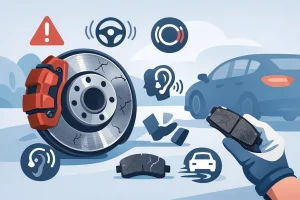
Brake pads press against the discs to slow the car. They wear down over time and are one of the most commonly replaced items on any vehicle. If caught at the right time, replacing pads is usually the most cost-effective brake repair.
Typical signs include squealing, reduced braking response or a warning light on the dashboard. Some pads also have wear indicators that create noise when they are getting low.
Brake disc replacement
Brake discs wear too, and they can become scored, lipped or warped. If discs are too worn, fitting new pads alone is often a false economy. The new pads may not bed in properly and braking performance can suffer.
This is why drivers sometimes feel frustrated when told they need pads and discs together. It can sound like overselling, but in many cases it is simply the correct repair.
Brake fluid change
Brake fluid absorbs moisture over time. As that happens, braking performance can become less reliable, especially under heavy use. A brake fluid change is usually less expensive than major brake component replacement, but it is still an important part of maintenance.
Calipers and other brake components
If a caliper sticks, one wheel may brake unevenly, causing pulling, overheating or rapid pad wear. This is less common than pad and disc wear, but it does happen. Once you move into caliper replacement or more complex fault-finding, the cost becomes more variable.
Signs your brake repair bill could be getting bigger
Small brake problems have a habit of becoming larger ones if ignored. A worn set of pads may start as a manageable job, but if the friction material wears away completely, metal can contact the disc. At that point, the repair is often more expensive and the car may be unsafe to drive.
Listen out for grinding, squealing and knocking. Pay attention if the steering wheel shudders under braking, if the brake pedal feels soft, or if the car pulls to one side. A brake warning light should never be brushed off. These are all good reasons to have the vehicle checked sooner rather than later.
In practical terms, acting early often saves money. It also reduces the chance of your car failing its MOT on brake-related issues.
How much is brake repair compared with waiting?
Waiting rarely makes brake issues cheaper. If pads are caught early, you may only need a straightforward replacement. Leave them too long and discs may need changing as well. Leave a fluid issue unresolved and you could end up with poor braking feel or damage elsewhere in the system. Ignore a seized caliper and uneven wear may affect more than one component.
There is also the inconvenience cost. Brake problems do not tend to fix themselves, and they have a habit of appearing at the worst time – before school runs, commutes or a weekend trip. Getting them checked at the first sign of trouble is usually the simpler and less stressful option.
Cheap brake repairs are not always good value
Every driver wants a fair price. That is sensible. But there is a difference between affordable and corner-cutting.
Very low quotes can sometimes exclude parts you actually need, use poor-quality components, or leave out related work such as cleaning and correctly fitting hardware. Brakes need to be done properly. You want workmanship you can trust, parts suited to your vehicle, and a clear breakdown of what you are paying for.
A good garage will explain whether the repair is essential now, advisable soon, or simply something to monitor. That kind of honesty matters, especially if you are trying to budget.
Getting an honest quote for brake repair
The best quote is one based on inspection, not guesswork. Prices given over the phone can be useful as a rough guide, but until the brakes are checked, no one can say for certain whether you need pads, discs, fluid, calipers or just an adjustment.
A proper inspection should identify the condition of the braking components and any safety concerns. From there, the garage should talk you through the options in plain English. If only the front pads need replacing, that should be the recommendation. If the discs are also below spec or badly worn, that should be explained clearly.
At Kingshill Autos, that straightforward approach is exactly what local drivers tend to value most – clear advice, fair pricing and no hidden extras.
When should you book a brake check?
If your brakes are noisy, less responsive, or showing a warning light, book sooner rather than later. Even if the issue turns out to be minor, peace of mind is worth having. It also helps to have brakes checked during routine servicing or before an MOT, especially if the car has covered high mileage or spends a lot of time in stop-start traffic.
Drivers who mainly do town journeys often wear brakes faster than those doing steady motorway miles. That does not mean something is wrong. It simply means your car may need attention more often.
Brake repair costs are not one-size-fits-all, but they should never feel mysterious. A fair garage will tell you what needs doing, what can wait, and what it will cost before work starts. If you have noticed a change in how your car stops, the most helpful next step is simple – get it checked before a small brake job turns into a bigger one.